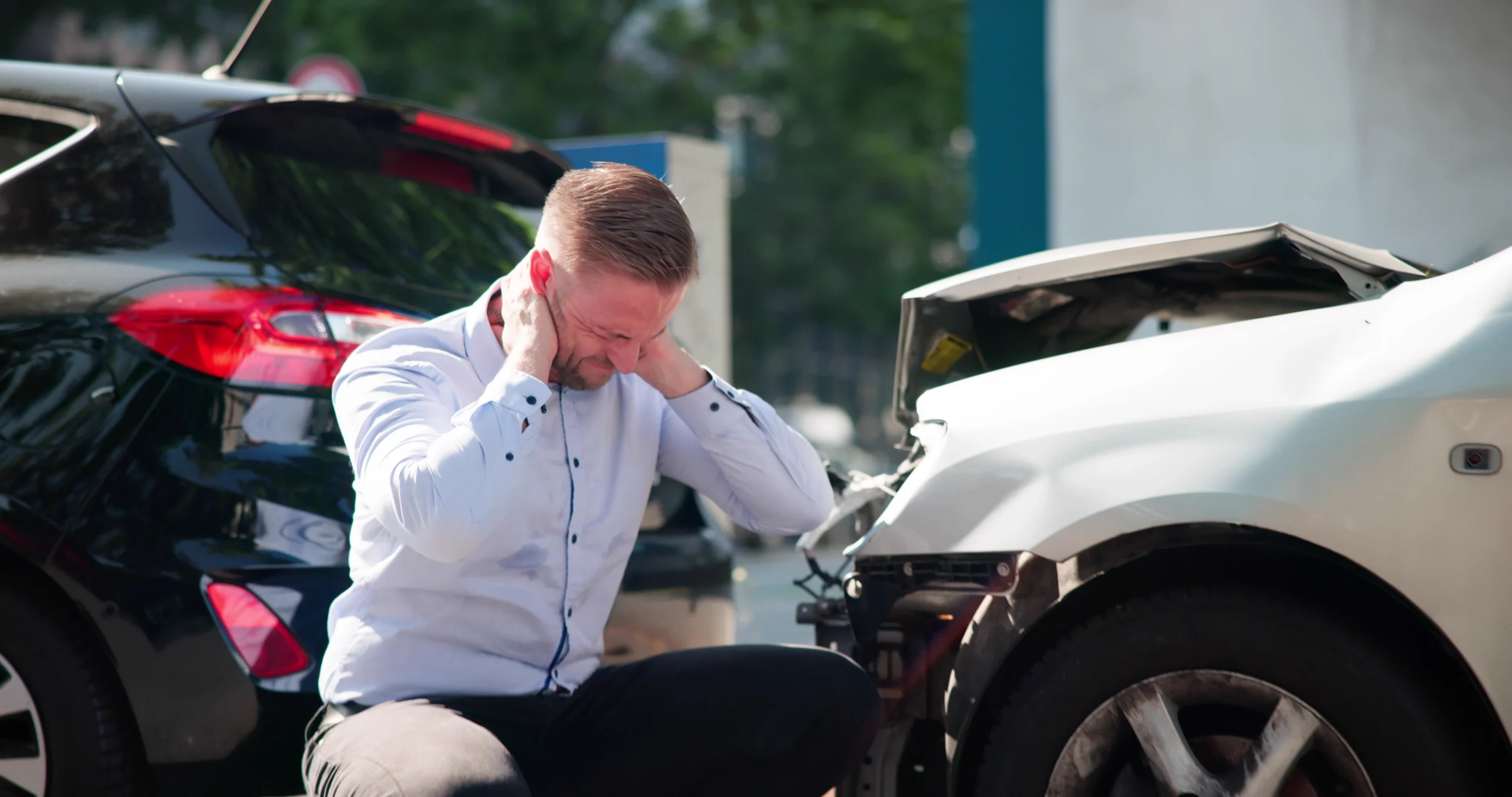
You should hire a car accident lawyer as soon as you are injured, when the other driver disputes fault, when an Uber, Lyft or commercial vehicle is involved, when the at-fault driver has no insurance, or when an adjuster starts stalling or pushing a quick settlement. Ideally, that call happens within days of the crash, before the insurance company finishes building its version of events. If no one was hurt and the damage is minor, you may not need a lawyer at all.
Why Waiting Usually Helps the Insurance Company
Los Angeles County sees tens of thousands of injury crashes every year, and many of the people involved make the same mistake: they wait. They skip the doctor hoping the stiff neck goes away overnight. They hold off on calling a lawyer until they see what the adjuster offers.
Insurers count on that delay. Adjusters often open a file within hours of an LAPD or CHP crash report and use the first days to look for reasons to pay less: a gap before you saw a doctor, an apology at the scene, a photo posted on Instagram. An attorney who steps in early can take over those communications, tell you what evidence to preserve and keep you ahead of California's filing deadlines.
You do not need to wait for a discharge summary from the hospital or a final repair estimate from the body shop. The earlier a lawyer gets involved, the more evidence is still available.
5 Signs You Should Call a Lawyer Right Away
Not every crash needs an attorney. These five situations come up constantly on LA roads, though, and handling them alone can be costly.
1. You Feel Any Pain, Even If It Seems Minor
A collision floods your body with adrenaline, which can mask pain at the scene. You swap insurance information, drive home and think you got lucky. Then the next morning, turning your head to check a blind spot sends pain down your back.
Whiplash and herniated discs often take time to show up. If you have stiffness, headaches or tingling after a crash, do not negotiate with an adjuster yet. Medical care in Los Angeles is expensive, and a quick settlement check can lock you into an amount that does not cover the MRI or months of physical therapy you discover you need a week later.
2. The Other Driver Blames You
A rear-end crash at a red light is usually clear. A sideswipe while merging onto the 110 during rush hour often turns into a finger-pointing match, especially when the witnesses have already driven away.
Insurers use those disputes to save money. Under California's comparative negligence rules, the insurer does not have to prove you caused the whole crash. If it can pin 25% of the blame on you, perhaps by claiming you braked late or were a few miles per hour over the limit, it can cut your payout by 25%. A lawyer can move quickly to request nearby business security video, look for traffic camera footage and identify witnesses before the adjuster's version becomes the accepted one.
3. An Uber, Lyft or Commercial Vehicle Hit You
Getting T-boned by a rideshare driver or clipped by a delivery van is rarely a simple two-driver claim. Rideshare and commercial vehicle crashes involve multiple insurance policies, and each adjuster has a reason to point at someone else.
In a rideshare case, the available coverage depends on the app status at the moment of the crash: offline, logged in and waiting for a request, or on a trip. Proving that timeline is what determines who you can sue after being hit by an Uber. Big rigs and delivery vehicles bring federal safety rules and corporate structures into the picture. You are no longer dealing with a distracted commuter; you are dealing with a logistics company and its insurers, and when commercial limits are at stake, stalling is common.
4. The Other Driver Has No Insurance
About one in six California drivers carries no liability insurance, so uninsured motorist claims are common in Los Angeles. When the at-fault driver has no coverage, or flees the scene, your recovery may depend on your own uninsured motorist coverage. That means making a claim against your own insurer, which then evaluates your injuries as an opposing party. Our guide to uninsured driver collisions explains how these claims work and why a lawyer can help.
5. The Adjuster Starts Giving You the Runaround
Insurers are businesses, and their model depends on paying less than a claim is worth. Once you know what to look for, the tactics are easy to spot:
- A request for a recorded statement while you are still on prescription pain medication
- A settlement offer before your car has even reached the body shop
- Weeks of silence after you send your MRI results
- Pressure to sign a release before you finish physical therapy
Many adjusters do not value injuries by hand. They enter your medical records into claim valuation software such as Colossus, which tends to assign lower values to soft-tissue injuries like whiplash and chronic back pain. Our founding attorney has fought insurers for injured Californians since 2002. He knows how carriers use these tools and delay tactics, and how to push back.
Why the First 24 to 48 Hours Matter
LAist has reported that traffic deaths in Los Angeles reached 303 in a single year, a sharp increase since the city launched its Vision Zero safety initiative. With that much serious crash activity, evidence is lost fast. Crash evidence has a short shelf life:
- Security cameras overwrite footage. A gas station camera that captured the crash may record over it within a day or two.
- The scene gets cleaned. Crews sweep away glass and debris, and traffic quickly wears down skid marks that show who braked first.
- Witnesses disappear. People who pull over to help rarely stay to give formal statements. Without their phone numbers, their accounts are lost.
- Cars get scrapped. Tow yards and salvage auctions dispose of totaled vehicles. Once a car is crushed, a reconstructionist cannot measure the damage that shows how hard it was hit.
- Memories fade. After a few sleepless nights with whiplash or a concussion, it becomes harder to recall exactly which lane the other driver came from.
Hiring a lawyer early is not about rushing into a lawsuit. It is about getting someone to preserve that footage and those witnesses before the insurer rewrites the story.
What to Do in the Hours After a Crash
Whether or not you end up hiring a lawyer, a few steps in the first hours protect your options:
- Call 911 if anyone is hurt and ask for police to respond, so there is an official report.
- Photograph everything: all vehicles, license plates, the intersection, traffic signals, skid marks, debris and your visible injuries.
- Exchange information with the other driver, including name, license, insurance company and policy number. If a rideshare driver was involved, screenshot their app status if you can.
- Get witness names and phone numbers. A short video of a witness describing what they saw can be very helpful later.
- Look for cameras on nearby businesses, homes and buses, and note where they are.
- See a doctor the same day or the next day, even if you feel mostly fine.
- Report the crash to your own insurer, but keep it factual and brief. Do not guess about speed, distances or fault.
If you were injured and the crash caused more than $1,000 in property damage, California also requires a report to the DMV within 10 days using form SR-1, separate from any police report.
Common Mistakes Before Calling a Lawyer
Most people just want their car fixed and their life back. That instinct to cooperate can backfire. Well-meaning drivers often hurt their own claims by:
- Giving a recorded statement before realizing a stiff neck is actually a herniated disc
- Cashing a fast settlement check that closes the claim before treatment ends
- Posting weekend hiking photos that the defense later uses to question the injury
- Skipping the doctor to tough it out, creating a gap in treatment the insurer can point to
- Signing a broad medical authorization that lets an adjuster search years of records for an old injury to blame
- Assuming their own insurer is on their side, when every payout affects its bottom line
Once an admission is on tape or a release is signed, it usually cannot be undone. Bringing in a lawyer first puts a buffer between you and the adjusters so you can focus on recovering.
Why Adjusters Ask the Questions They Ask
Early calls from an adjuster can feel friendly. "How are you feeling today?" "Were you in a hurry?" "Had you had any back problems before?" Each question has a purpose. "I'm doing okay" can later be quoted as proof you were not really hurt. A guess about your speed can become an admission of partial fault. A mention of an old sports injury can become the explanation for your current pain. None of this means the adjuster is acting in bad faith; it means their job is to evaluate and limit the insurer's exposure. Your job is to avoid handing them the tools to do it.
California Deadlines You Cannot Miss
A strong case does not matter if it is filed late. Under California Code of Civil Procedure § 335.1, you generally have two years from the date of the crash to file a personal injury lawsuit.
A common trap is assuming the clock stops while you negotiate. It does not. An insurer can keep a claim in back-and-forth emails and low offers until your time to sue has nearly run out.
The timeline is much shorter when a public agency is involved. If a Metro bus sideswipes you or a government vehicle rear-ends you, you generally must file a formal government claim within six months. Miss that deadline and the case can be over before it starts.
What a Car Accident Lawyer Actually Does
Most of a lawyer's work happens long before a courtroom. A Los Angeles car accident lawyer can:
- Get the collision report and ask nearby businesses to preserve video before it is overwritten
- Identify every available insurance policy, including commercial and rideshare layers
- Handle all communication with adjusters so your words are not used against you
- Value your claim based on future treatment and lost income, not only the ER bill
- Push back on low offers and prepare the case for trial so the insurer takes it seriously
What Happens at a Free Consultation
A first meeting with a car accident lawyer is a conversation, not a commitment. Expect to walk through how the crash happened, your injuries and treatment so far, your time off work and any contact you have had with insurers. Bring the police report number, photos, insurance information, medical paperwork and any letters or emails from adjusters if you have them. A good lawyer will tell you the strengths and weaknesses of your claim, what deadlines apply and whether they think you need representation at all. If you want to prepare, our list of questions to ask a personal injury lawyer is a helpful starting point.
How Much Does a Car Accident Lawyer Cost?
Like most Los Angeles personal injury firms, Oaks Law Firm works on a contingency fee. There is no retainer and no hourly billing. Our fee is a percentage of the recovery, agreed in writing before we start, and you pay no attorney's fee unless we recover compensation for you. The point is to make sure no one is priced out of standing up to an insurance company while dealing with medical bills and missed paychecks.
When You May Not Need a Lawyer
An honest lawyer will tell you when you can handle a claim yourself. You may not need representation if:
- No one was hurt, and the only damage is a scraped bumper or cracked taillight
- The at-fault driver's insurer promptly accepted full responsibility
- The adjuster is paying your repair estimate and any small medical costs in full
- You are comfortable with the paperwork and no one is pressuring you to sign a release
If anything changes, for example the adjuster stops responding, disputes the repair bill, or you wake up a week later with shoulder pain, a lawyer can step in at that point.
Get an Insider's Read on Your Case
You do not have to figure out your legal position alone. A short conversation with our team can tell you where your case stands, how the insurer is likely to value it and whether you need a lawyer at all. Call (818) 418-0948 or request a free consultation with Oaks Law Firm.