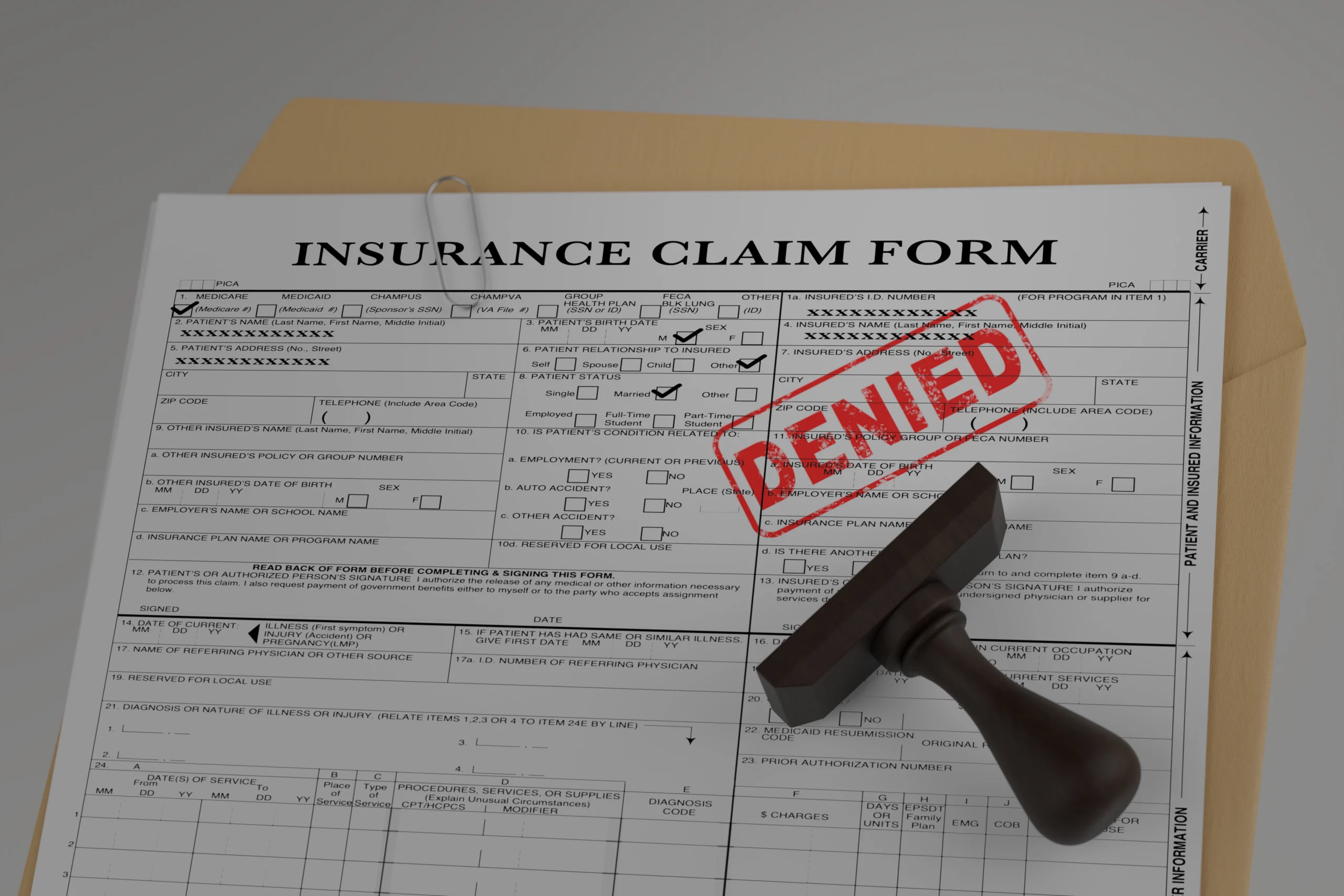
Insurance valuation software such as Colossus is used by many insurers to help adjusters put a dollar range on bodily injury claims. The program works only with the information an adjuster enters, so missing records, selective data entry, and built-in assumptions about "subjective" injuries can produce offers that don't reflect what you've actually been through. A software number is a negotiating position, not the true value of your claim, and you don't have to accept it.
If you've been hurt in an accident, you already have plenty on your plate: doctor visits, insurance calls, repair bills, missed work. Then the settlement offer arrives, and it's surprisingly low. Your bills are substantial, you've spent weeks or months recovering, and you may still be in pain every day. The number can feel random. Often, it isn't. It may have come, at least in part, from a computer program.
What Is Insurance Valuation Software?
Insurance valuation software is designed to help insurers evaluate claims more consistently. Instead of each adjuster deciding independently what an injury claim is worth, the company feeds information about the accident, injuries, and treatment into a program that produces a suggested settlement range.
Colossus is one of the most widely known examples. It was originally developed in Australia in the 1980s and came into wide use in the United States in the 1990s, particularly for injury claims arising from car accidents.
On the surface, the idea is reasonable. If two people have similar injuries in similar circumstances, shouldn't their claims be valued similarly? The catch is that the program never meets you. It doesn't know what it's like to wake up with a stiff neck every morning or to give up playing basketball with your kids. It knows data, and only the data it's given.
How the Software Works
The details of proprietary claims systems aren't fully public. Publicly available information about Colossus indicates that it evaluates an injured person's diagnoses, treatment, injuries, and other claim factors, then generates a valuation range.
That makes the inputs critical. Think of a smoothie: put in strawberries, bananas, blueberries, and mango, and you get one result. Leave out the strawberries and use half a banana, and you get something very different. Valuation software works the same way. What goes in determines what comes out.
The Adjuster Controls What Goes In
The software doesn't read your medical records and understand your experience on its own. Typically, an adjuster reviews the file and enters information about your diagnoses, treatment, procedures, and recovery. If something important isn't entered, the software can't account for it.
Suppose you suffered a herniated disc in a car crash and needed months of physical therapy. You've also had headaches, trouble sleeping, and anxiety about driving again. If the data entered focuses mainly on the disc diagnosis and the length of therapy, the valuation may miss much of what you've actually endured. The computer isn't being malicious; it's being a computer. The result can still be unfair.
Four Ways Valuation Software Can Push Offers Down
1. Missing Information Means Missing Value
If an injury, diagnostic finding, or treatment isn't included in the information evaluated, it can't raise the valuation. A significant diagnosis buried deep in a medical record does little good if no one identifies it and explains why it matters. That's why thorough documentation is so important in an injury claim.
2. Adjusters Decide How Data Is Classified
Adjusters work for companies that want to control costs, and they have discretion over what is entered and how it's categorized. Our founder, Matthew Nezhad, who has fought for injured Californians since founding the firm in 2002. They decide which medical treatments were 'necessary and reasonable,' which allows them to downplay the severity of an injury before the software even runs its calculations."
3. Preexisting Conditions Get Blurred
Insurers often scrutinize whether your symptoms existed before the accident. If you had prior back trouble, they may argue your current pain isn't really from the crash. But having a preexisting condition is different from having an accident make that condition worse. California law allows recovery when a crash aggravates an existing problem. A program may not capture that distinction as well as a person who has carefully reviewed your medical history.
4. Some Injuries and Treatments Are Valued Less
Systems like Colossus can assign lower value to treatments such as chiropractic care or physical therapy, and they can treat certain injuries as less serious than they often are. As Shawn explains in the same book:
"Colossus classifies injuries as either objective or subjective. Objective injuries—such as broken bones or deep cuts—receive higher settlement values. Subjective injuries—such as whiplash, muscle strains, and chronic pain—receive significantly lower values."
For people living with whiplash, soft tissue damage, or chronic pain, that classification can mean an offer that looks nothing like the reality of their recovery.
A Computer Number Isn't the Final Word
A software valuation isn't a judge, a jury, or a law of nature. It's a tool. Even critics and commentators who have studied Colossus, including a 2012 Consumer Federation of America report, describe the output as a range, and insurers can configure and apply these systems differently.
So when an adjuster says, "That's what our system valued your claim at," the conversation isn't over. The valuation should be tested against the actual evidence:
- What injuries did you suffer?
- How long were you treated, and what did treatment involve?
- Did you need injections, surgery, or other procedures?
- How much work did you miss?
- Will you need future care?
- How has the injury changed your daily life?
- What does California law allow you to recover?
Those questions take more than a button click to answer.
Why Insurers Rely on These Systems
Insurance companies handle an enormous volume of claims, and standardized systems help them process claims efficiently and consistently. Colossus has historically been marketed as a way to assess bodily injury claims and help insurers control claim costs.
From the insurer's point of view, that makes sense. From the injured person's point of view, the obvious question is: consistent with what? A system can reliably produce a number without producing the right number for each individual. Your injury, your recovery, and your life aren't an average. For more on how adjusters approach negotiations, see our list of 13 insider insurance adjuster tricks to know.
What to Do If You Get a Low Offer
Don't panic. A low opening offer doesn't mean that's all your claim is worth. It means the insurer has started negotiating from a position that favors it.
Make Sure the Insurer Has Complete Medical Records
Confirm the insurer has your key records: imaging, physician notes, physical therapy records, evaluations by other treating doctors, and anything else that documents your injuries and care. If something is missing, it can't be counted.
Document the Human Side of Your Injury
Medical records don't tell the whole story. Keep track of how your injury affects everyday life:
- Are you having trouble sleeping?
- Have you had to stop exercising?
- Are household chores harder or impossible?
- Have you missed work?
- Have you given up activities you enjoyed?
These details explain the real consequences behind the medical terminology, and they are central to pain and suffering damages.
Don't Let the First Offer Anchor Your Expectations
Insurers know most people don't understand how injury claims are valued, and early offers are sometimes presented as if they're the obvious answer. Before accepting, understand what you're giving up: settling usually means you can't pursue more compensation for the same injuries later, even if your condition gets worse. If your claim has already been rejected outright, our guide to a car accident claim denied in California explains your options.
How a Personal Injury Lawyer Challenges a Software Valuation
A personal injury lawyer looks at your claim as more than a number generated by a program. That means reviewing the medical evidence, identifying damages that were overlooked, evaluating liability and available insurance, and negotiating with the insurer based on your actual experience.
When a valuation falls short, the response is evidence: complete medical documentation, opinions from treating physicians, proof of lost income, photographs, witness statements, and records of how the injury has affected your daily life. Our guide to how to claim car accident compensation explains what those damages can include. The goal isn't to "beat the computer." It's to make sure the computer doesn't get the last word.
Don't Let an Algorithm Decide What Your Injury Is Worth
Valuation software can help insurers process huge volumes of information and set consistent starting points. But there is a big difference between valuing data and valuing a person's experience. Your claim deserves to be evaluated on the complete picture.
If an insurer has offered a settlement that doesn't reflect what you've been through, don't assume the computer got it right. Contact Oaks Law Firm for a free case review at our office at 15233 Ventura Blvd, 5th Floor, Los Angeles, or call (877) 539-5366. You pay no attorney's fee unless we recover compensation for you.