The short answer
If a driver who hurt you has no insurance, flees the scene, or has too little coverage, you may be able to claim under the uninsured or underinsured motorist coverage on your own auto policy. That claim is made against your own insurer, which may dispute it, so speak with a lawyer before settling or signing a release.
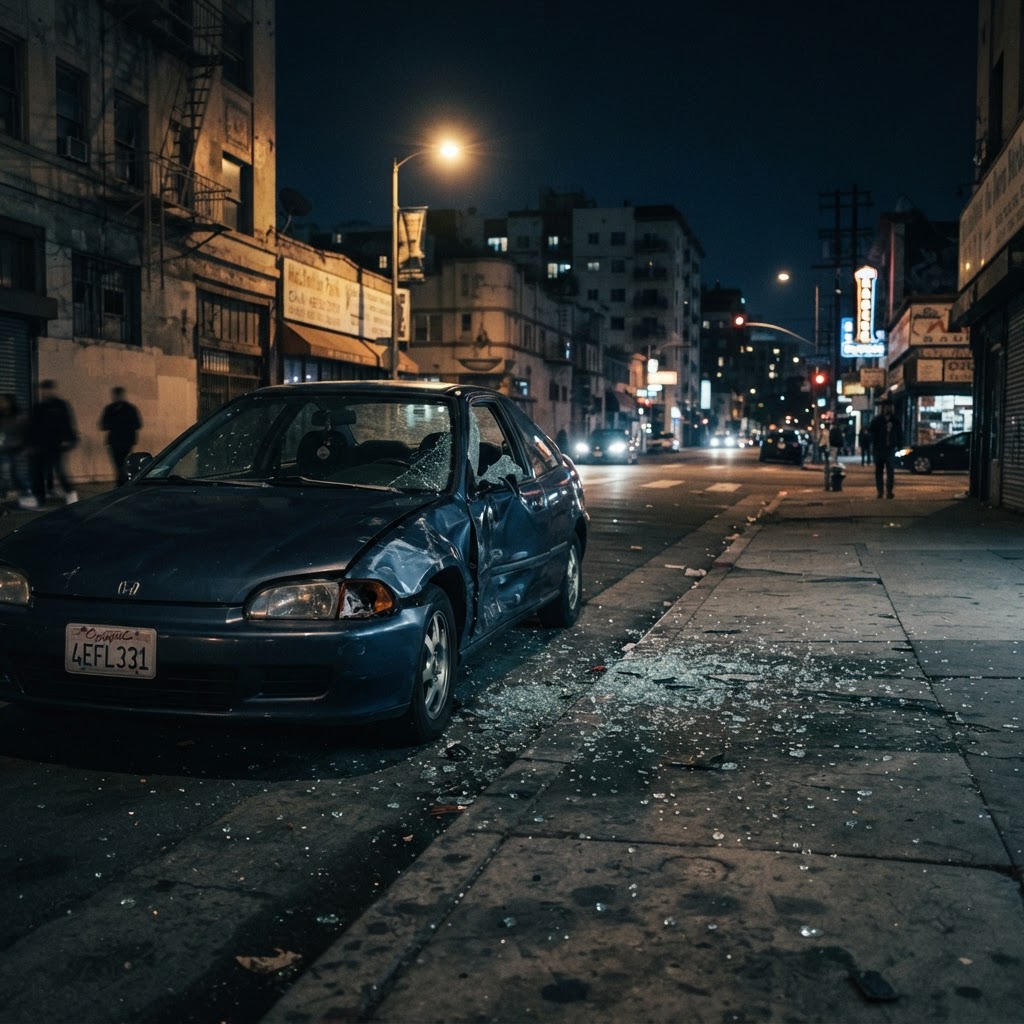
Being hurt by a driver who has no insurance, too little insurance, or who drives away and is never found is a double blow. You are injured, and the person responsible may have nothing to pay with. Los Angeles has heavy traffic, many hit-and-run crashes, and plenty of drivers on the road without adequate coverage. If this happened to you, there may still be a path to compensation: your own auto policy.
Uninsured and underinsured motorist coverage, often called UM/UIM, is part of many California auto policies. It is coverage on your own policy, not the at-fault driver's. Uninsured motorist coverage can apply when the at-fault driver has no insurance or flees the scene. Underinsured motorist coverage can apply when the at-fault driver has insurance, but your damages are greater than the limits of that driver's policy. Whether your policy includes this coverage, and how much, depends on what you purchased, so the policy itself matters.
Here is the part many people do not expect: a UM/UIM claim is a claim against your own insurance company. The adjuster may be friendly at first, but once you make a claim, the company is evaluating how much it will have to pay and may dispute fault, your injuries, or the value of your claim. Our founding attorney has fought insurers for injured Californians since 2002.
Your consultation is free and confidential, and you pay no attorney's fee unless we recover compensation for you. If you have been hurt by an uninsured or underinsured driver, please call before you settle with anyone or sign any release. Some steps taken early can affect your rights under your own policy, and we can explain them before they become problems.
From the other side of the table
How your own insurer handles an uninsured motorist claim
Friendly at first, then an adversary
Your insurer may begin by offering help and asking for a recorded statement. Once you make a claim for benefits, the company is also weighing what it will pay. We handle those communications so that nothing you say is used to shrink the claim.
Valuing the claim and disputing it
Insurers may question whether the other driver was at fault, whether your injuries came from the crash, or whether treatment was necessary. We build the medical and liability record before those arguments begin.
Notice and paperwork traps
Policies can contain notice requirements, cooperation duties, and consent-to-settle provisions. Missing a step can give the insurer an argument. We review the policy early and make sure each requirement is met.
The arbitration process
Many UM/UIM disputes are resolved through a process written into the policy, often arbitration, rather than in front of a jury. We prepare the claim from day one as though it may be decided there.
Why it happens
Common causes
Hit-and-run drivers
When a driver flees the scene and is never identified, your own uninsured motorist coverage may apply. Prompt reporting to police and careful documentation matter in these claims.
Drivers with no insurance at all
Some drivers are on the road with no coverage. If one of them causes a crash, you may be able to turn to your own policy for compensation.
Drivers with too little insurance
A driver may carry only a small policy, while serious injuries produce medical bills and losses far above it. Underinsured motorist coverage may help fill that gap.
Phantom vehicles
Sometimes a crash is caused by an unidentified car that never touches yours, such as one that forces you off the road. The policy terms and the evidence of what happened can be critical.
Pedestrians and cyclists hit by uninsured drivers
People walking or biking may be able to claim on their own auto policy, or on a household policy, in some situations. We review the available policies.
Passengers in someone else's car
Passengers may have access to coverage under the driver's policy or under their own. Which policy applies can depend on the facts and the policy language.
Out-of-state or expired policies
A driver's policy may have lapsed, been cancelled, or deny coverage for the crash. When coverage fails, uninsured motorist coverage on your own policy may come into play.
What we see
Injuries we handle
What you may recover
Compensation in a California claim
Medical expenses
Past and future treatment related to the crash. Under California law, past medical damages are generally limited to the amounts actually paid or incurred, which we take into account when valuing your claim.
Lost income and earning capacity
Wages lost while you recover, and, where injuries limit your ability to work in the future, the reduced ability to earn.
Pain and suffering
The physical pain, emotional distress, and loss of enjoyment of life caused by the crash, which are recognized parts of a personal injury claim.
Out-of-pocket costs
Transportation to treatment, medical equipment, household help, and other costs that you would not have had without the crash.
Property damage and loss of use
Repair or replacement of your vehicle and related losses. This may be handled under separate coverage in your policy.
Wrongful death damages
When a loved one is killed by an uninsured or underinsured driver, eligible family members may be able to seek recovery under the policy.
The rules that apply
California law you should know
UM/UIM coverage in California auto policies
California's Insurance Code addresses uninsured and underinsured motorist coverage, including how it works and what policies generally must offer. The exact coverage and limits depend on your policy.
Insurance Code § 11580.2
Generally two years to act
The general deadline for a personal injury lawsuit is two years. A UM claim can follow its own timing rules, and the policy may have notice or arbitration deadlines, so do not assume you have the full period.
Code of Civil Procedure § 335.1
The at-fault driver's duty of care
Drivers owe a general duty to use reasonable care. Proving the other driver's fault is a key part of the claim even though you are claiming against your own insurer.
Civil Code § 1714
Pure comparative fault
If the insurer argues you share some of the blame, compensation is generally reduced by your percentage of fault rather than barred.
Li v. Yellow Cab Co. (1975) 13 Cal.3d 804
Past medical damages
Past medical damages are generally limited to the amounts paid or incurred, not the full amount billed.
Howell v. Hamilton Meats & Provisions, Inc. (2011) 52 Cal.4th 541
Aggravation of an existing condition
If the crash made an earlier injury or condition worse, you may be able to seek compensation for the added harm.
CACI No. 3927
General information, not legal advice. Deadlines and rules depend on the facts of your case, so talk to an attorney promptly.
Right now
Protect your claim
Evidence to gather
- The police or CHP collision report number, including a report filed for a hit-and-run
- Photos and video of the scene, the vehicles, and your injuries
- Names and contact information of witnesses
- The other driver's information, if known, and any proof of no insurance
- A complete copy of your own auto insurance policy and declarations page
- Medical records, bills, and a record of every provider you have seen
- Pay records and employer information showing missed work
- All letters, emails, and notes of calls with your insurer or the other driver's insurer
Mistakes insurers count on
- Settling with the at-fault driver's insurer or signing a release before talking to a lawyer
- Giving your own insurer a recorded statement without preparation
- Missing notice or reporting requirements in your policy
- Failing to report a hit-and-run to the police promptly
- Posting about the crash or your injuries on social media
- Assuming you have the full period to act without checking your policy
Step by step
How we handle your case
- 1
Free consultation and policy review
We listen, then read your policy to see whether UM/UIM coverage is included, what the limits are, and what notice and cooperation steps it requires.
- 2
Protect your rights with notice
We make sure your insurer is properly notified and that no step is missed that could be used against you later.
- 3
Investigate the crash
We gather the police report, photos, video, and witness accounts. In a hit-and-run we work to identify the driver or document that the driver cannot be found.
- 4
Handle the other driver's claim carefully
If the at-fault driver has some insurance, we coordinate that claim so that settling it does not harm your rights under your own policy.
- 5
Document the full loss
We collect medical records, bills, and work records, and work with your doctors so the extent of your injuries is clearly shown.
- 6
Negotiate, arbitrate, or file suit
We negotiate with your insurer and, if it will not be fair, we prepare the claim for arbitration or, where appropriate, court.
From the Case Vault
Related results
Past results do not guarantee a similar outcome. Every case is different and must be evaluated on its own facts.
Straight answers
Frequently asked questions
It is coverage on your own auto policy that may pay when the driver who caused the crash has no insurance, flees the scene, or has too little insurance to cover your damages. Whether you have it, and in what amount, depends on your policy. We read the policy and explain what it provides.
Vehicle Accidents