The short answer
Negligent security victims in California can recover compensation if a property owner failed to provide reasonable security and that failure led to an assault or injury. You generally have two years to file (CCP § 335.1). Report the incident, preserve evidence, and consult a lawyer promptly.
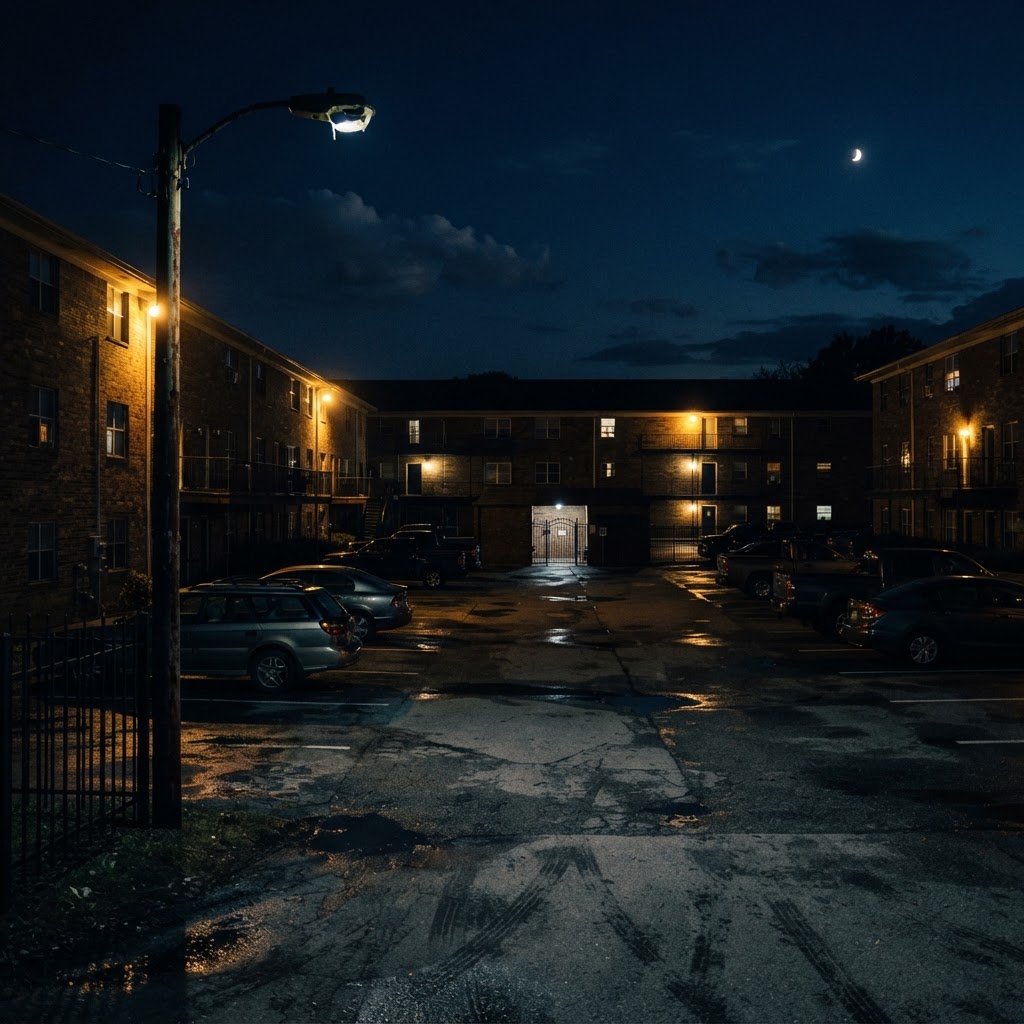
Being assaulted, robbed, or attacked is traumatic enough. Learning afterward that the property owner knew about prior crimes and did nothing can be infuriating. In Los Angeles, negligent security claims often arise in apartment complexes with broken gates, parking structures with burned-out lights, motels with a history of police calls, nightclubs and bars in Hollywood and Downtown, and shopping centers where security patrols were cut back despite repeated incidents.
California law does not make property owners responsible for every crime committed on their property. But owners and businesses that control a property may have a duty to take reasonable security measures when crime is foreseeable. That can mean repairing locks and gates, maintaining lighting, controlling access, responding to tenant complaints, or providing security personnel when the history of the property calls for it. When an owner ignores a known risk and someone is hurt, the owner may share responsibility with the attacker.
Our founding attorneys spent years as personal injury attorneys and in-house for a major insurer. Negligent security claims are defended aggressively, usually by arguing the crime was unforeseeable or that nothing the owner could have done would have stopped it. We know what evidence answers those arguments: police call histories, prior incident reports, tenant complaints, security contracts, and maintenance records for lights, cameras, and gates.
Consultations are free, and you pay no attorney's fee unless we recover compensation for you. We handle these cases with discretion and respect for what you have been through.
From the other side of the table
How the insurer's adjuster sees your negligent security claim
Blame the criminal
The first defense is simple: the attacker caused the harm, not the property owner. California law allows a property owner to share responsibility when its failure to provide reasonable security was a substantial factor in the harm. We focus on what the owner controlled and failed to do, and how that failure made the attack possible.
No prior similar incidents
Insurers argue that without very similar prior crimes on the property, the attack was unforeseeable. We gather police call logs, crime data, prior incident reports, tenant complaints, and employee testimony to establish what the owner knew or should have known about the risk.
The burden of security
Defense lawyers argue that guards or other measures would have been too expensive. Under California law, the security measures required are balanced against the foreseeability of the harm. Simple, low-cost measures like fixing a broken gate or replacing lighting may be required even where guards would not be. We identify the specific measures the owner neglected.
Causation challenges
Insurers argue that even with better security, the attack would still have happened. We work to show how the specific failure, like an unlocked entrance or a dark stairwell, gave the attacker access or opportunity, using the scene, video, and expert security analysis when appropriate.
Why it happens
Common causes
Broken gates, doors, and locks
Apartment buildings in areas like Koreatown, Westlake, and Hollywood with broken entry gates or locks that tenants reported repeatedly may leave residents exposed to intruders.
Poor lighting
Dark parking garages, stairwells, and walkways at apartment complexes, shopping centers, and transit-adjacent properties can invite crime.
Inadequate or absent security staff
Bars, nightclubs, hotels, and event venues with a history of violence may need trained security personnel and reasonable crowd control.
Ignored prior incidents
Properties with a history of robberies, assaults, or break-ins that owners failed to address are a common source of negligent security claims.
Non-functioning cameras
Security cameras that are broken, disconnected, or never monitored may give a false sense of security and fail to deter crime.
Negligent hiring of security guards
Security companies that hire, train, or supervise guards poorly may be responsible when a guard fails to act or uses excessive force.
What we see
Injuries we handle
What you may recover
Compensation in a California claim
Medical and psychological care
Emergency treatment, surgery, follow-up care, and counseling or therapy for the emotional effects of the attack.
Lost income
Wages lost during recovery and any reduced ability to work because of physical or psychological injuries.
Pain, suffering, and emotional distress
Compensation for physical pain, fear, anxiety, sleep disruption, and loss of enjoyment of life.
Relocation and safety costs
In appropriate cases, reasonable costs connected to leaving an unsafe residence may be part of the damages claim.
Wrongful death damages
When an attack is fatal, eligible family members may pursue damages for loss of financial support, companionship, and funeral expenses.
The rules that apply
California law you should know
Foreseeability and the duty to provide security
The California Supreme Court has held that the scope of a landowner's duty to provide security is determined by balancing the foreseeability of harm against the burden of the proposed security measures. Heightened foreseeability, often shown by prior similar incidents, may be required before costly measures like guards are required.
Ann M. v. Pacific Plaza Shopping Center (1993) 6 Cal.4th 666
Duty to respond to an ongoing threat
A business may have a duty to take reasonable, minimally burdensome steps to protect patrons when it is aware of an imminent threat of violence on its premises.
Delgado v. Trax Bar & Grill (2005) 36 Cal.4th 224
General duty of care
Property owners must use ordinary care in managing their property.
Cal. Civ. Code § 1714
Filing deadline
Most personal injury lawsuits must be filed within two years of the injury.
Cal. Code Civ. Proc. § 335.1
General information, not legal advice. Deadlines and rules depend on the facts of your case, so talk to an attorney promptly.
Right now
Protect your claim
Evidence to gather
- The police report number and the investigating officer's name
- Photos of broken gates, locks, lights, or cameras
- Written complaints or repair requests you or other tenants made
- Names of witnesses, neighbors, and employees
- Any communications from the property owner or manager about security
- Your lease or other documents showing your relationship to the property
- Photos of your injuries
- Medical and counseling records
Mistakes insurers count on
- Assuming you have no claim because the attacker was never caught
- Giving a recorded statement to the property owner's insurer
- Waiting to request preservation of surveillance video
- Discarding texts or emails complaining about security problems
- Posting details about the attack or your recovery on social media
Step by step
How we handle your case
- 1
Confidential consultation
We listen carefully, explain the law in plain terms, and discuss whether a claim against the property owner may exist.
- 2
Preserve records and video
We send preservation demands for surveillance footage, incident reports, security contracts, and maintenance records.
- 3
Investigate foreseeability
We obtain police call histories, crime records, prior complaints, and other evidence of what the owner knew about the risk.
- 4
Identify responsible parties
We examine owners, property managers, tenants, and security companies, and identify the insurance available.
- 5
Pursue compensation
We present the claim to the insurers and are prepared to file suit and pursue discovery when needed.
From the Case Vault
Related results
Past results do not guarantee a similar outcome. Every case is different and must be evaluated on its own facts.
Straight answers
Frequently asked questions
In some circumstances, yes. California law allows a property owner to be held responsible when crime was foreseeable and the owner failed to take reasonable security measures that would have reduced the risk. The attacker remains responsible too, but the owner may share responsibility for its own negligence. The strength of the claim depends heavily on the property's history and the specific failures involved.
Premises Liability