The short answer
Carbon monoxide poisoning victims in California can recover compensation from a property owner, landlord, or manufacturer for faulty detectors, heaters, or ventilation. You generally have two years to file (CCP § 335.1). Seek medical care immediately and consult a lawyer promptly.
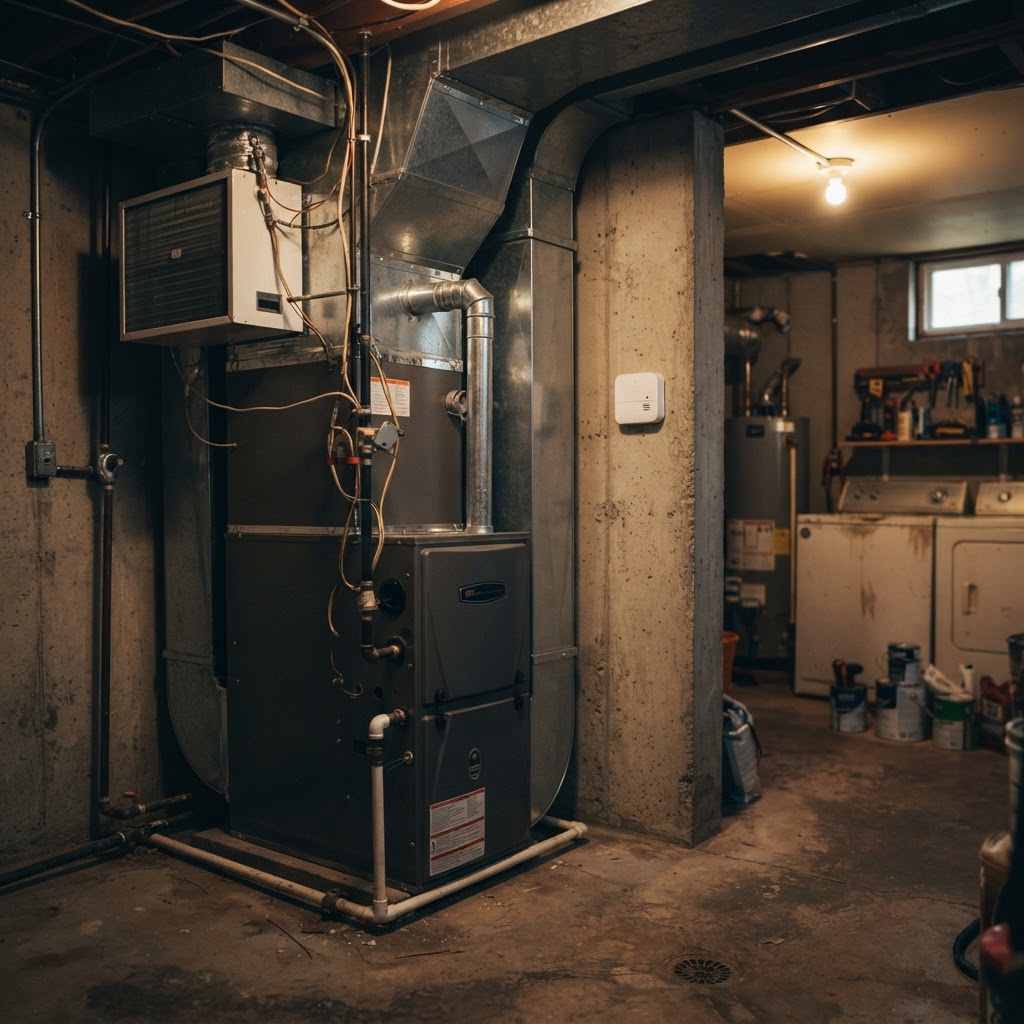
Carbon monoxide is odorless, colorless, and can be deadly. In Los Angeles, poisonings often happen in older apartment buildings with aging wall heaters, poorly vented water heaters, and gas stoves, and in homes where a furnace or fireplace has not been properly maintained. They also occur in hotels, short-term rentals, workplaces, and vehicles with exhaust leaks. Because early symptoms like headaches, dizziness, nausea, and fatigue feel like the flu, many people do not realize what is happening until the exposure is serious.
Carbon monoxide poisoning can cause lasting harm even after a person seems to recover. Survivors may experience memory problems, difficulty concentrating, mood changes, and other neurological symptoms that appear days or weeks later. Children, older adults, pregnant people, and those with heart or lung conditions are especially vulnerable. When exposure is severe, it can be fatal.
California law requires carbon monoxide detectors in many dwellings, and landlords must keep gas appliances and heating systems in safe, working condition. When they do not, they may be responsible. Our founding attorneys spent years as personal injury attorneys and in-house for a major insurer, and we know CO cases are defended by attacking causation: arguing that symptoms came from something else and that levels were never proven. We work to lock down the medical tests, fire department readings, and appliance evidence that answer those arguments.
Consultations are free, and you pay no attorney's fee unless we recover compensation for you. If you or your family was exposed to carbon monoxide in Los Angeles County, talk to us before the appliance is repaired or replaced.
From the other side of the table
How the insurer's adjuster sees your carbon monoxide claim
'Prove the exposure'
Carbon monoxide leaves the body over time, and insurers argue there is no proof of significant exposure if blood tests were taken late or not at all. We gather fire department and gas utility readings, emergency medical records, and detector data, and we work with medical professionals who understand how CO exposure is diagnosed.
Alternative explanations
Headaches, fatigue, and memory problems have many possible causes. Adjusters use that to argue your symptoms are unrelated. We document the timeline carefully, including when symptoms started and improved, whether others in the home had similar symptoms, and neurological or neuropsychological testing when appropriate.
The quick appliance swap
Landlords and property managers often replace a faulty heater or water heater immediately after an incident. Without the original appliance, determining the cause is much harder. We send preservation demands right away and, when possible, arrange for qualified inspection of the appliance and venting.
Blaming the tenant
Insurers may argue the tenant blocked a vent, disabled a detector, or misused an appliance. We gather maintenance records, repair requests, inspection history, and permits to show who was responsible for the equipment and what the owner knew.
Why it happens
Common causes
Faulty wall and floor heaters
Older gas wall heaters common in Los Angeles apartment buildings can leak carbon monoxide when cracked, clogged, or improperly vented.
Improperly vented water heaters
Water heaters with disconnected, blocked, or improperly installed flues can send exhaust into living spaces.
Missing or non-working CO detectors
When landlords fail to install or maintain required carbon monoxide detectors, tenants may have no warning of a leak.
Furnace and fireplace failures
Cracked heat exchangers, blocked chimneys, and poorly maintained furnaces can release carbon monoxide into homes.
Generators and gas equipment indoors
Portable generators, gas-powered tools, and grills used in enclosed spaces, including by contractors, can produce dangerous CO levels.
Vehicle exhaust leaks and garages
Exhaust leaks in vehicles and running engines in attached garages can allow carbon monoxide to enter cabins and homes.
What we see
Injuries we handle
What you may recover
Compensation in a California claim
Medical treatment
Emergency care, oxygen therapy, hyperbaric treatment where prescribed, neurological evaluation, and ongoing care.
Cognitive and neurological care
Neuropsychological testing, therapy, and long-term care for lasting cognitive effects.
Lost income
Wages lost during recovery and reduced earning capacity when cognitive symptoms affect your work.
Pain, suffering, and emotional distress
Compensation for physical symptoms, fear, anxiety, and loss of enjoyment of life.
Relocation and property losses
Reasonable costs of temporary housing and other losses when your home became unsafe to live in.
The rules that apply
California law you should know
Carbon Monoxide Poisoning Prevention Act
California requires carbon monoxide devices in dwelling units that have a fossil fuel burning heater, appliance, fireplace, or an attached garage, and sets duties for owners, including owners of rental units, regarding installation and maintenance.
Cal. Health & Safety Code §§ 13260–13263
Duty of care
Owners and landlords must use ordinary care in managing their property, including gas appliances and heating systems.
Cal. Civ. Code § 1714
Warranty of habitability
California recognizes an implied warranty of habitability in residential leases, requiring landlords to maintain rental units in a habitable condition.
Green v. Superior Court (1974) 10 Cal.3d 616
Filing deadline
Most personal injury lawsuits must be filed within two years of the injury.
Cal. Code Civ. Proc. § 335.1
General information, not legal advice. Deadlines and rules depend on the facts of your case, so talk to an attorney promptly.
Right now
Protect your claim
Evidence to gather
- The heater, water heater, or appliance involved, left in place and unrepaired
- Photos of the appliance, vents, flues, and any detectors
- Fire department and gas utility incident numbers
- Emergency medical records, including any carboxyhemoglobin blood test
- Written repair requests or complaints to your landlord
- Names of others in the home who experienced symptoms
- Your lease and any notices from the landlord
- A timeline of symptoms, when they began, and when they improved
Mistakes insurers count on
- Allowing the landlord to remove or replace the appliance before it is inspected
- Not seeking medical care right away, which can mean exposure is never measured
- Assuming lingering symptoms will go away on their own
- Giving a recorded statement to the landlord's insurer
- Returning to the unit before it has been cleared as safe
Step by step
How we handle your case
- 1
Free consultation
We review the circumstances of the exposure, your symptoms, and your medical care, and explain your options.
- 2
Preserve the appliance and records
We send preservation demands for heaters, water heaters, detectors, and maintenance records before they are replaced or discarded.
- 3
Obtain official readings
We request fire department, gas utility, and emergency medical records documenting CO levels and response.
- 4
Build the medical case
We gather your medical records and work with your providers to document the connection between exposure and your symptoms.
- 5
Pursue responsible parties
We present claims to landlords, property managers, contractors, and manufacturers, and are prepared to file suit when needed.
From the Case Vault
Related results
Past results do not guarantee a similar outcome. Every case is different and must be evaluated on its own facts.
Straight answers
Frequently asked questions
Possibly. California requires carbon monoxide devices in many rental units and requires landlords to keep gas appliances and heating in safe condition. If your landlord failed to install detectors, ignored repair requests, or allowed a faulty heater or water heater to remain in use, the landlord may be responsible for your injuries.
Premises Liability