The short answer
Burn injury victims in California can recover compensation for medical expenses, reconstructive surgery, lost wages, and pain and suffering. You generally have two years to file (CCP § 335.1). Seek immediate medical care, preserve evidence of the cause, and consult a lawyer promptly.
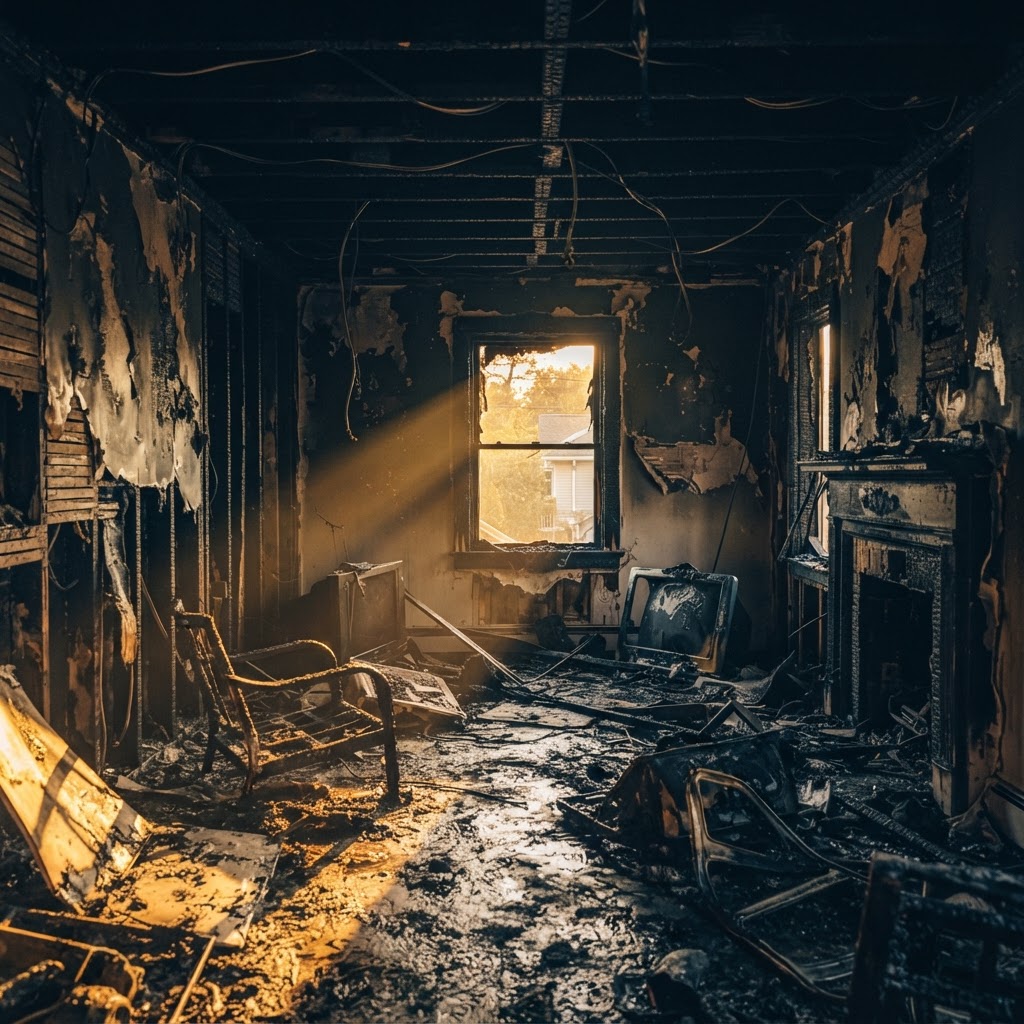
Burn injuries are among the most painful and long-lasting injuries a person can suffer. A kitchen fire in a Koreatown apartment, a scalding spill in a restaurant, an exploding e-bike battery in a garage, a gas leak at a construction site, or a vehicle fire after a crash on the 110 can leave you facing skin grafts, infection risk, and permanent scarring. Severe burns can also cause nerve damage, limit movement, and bring emotional trauma that lasts long after the wounds close.
Burn cases often involve more than one responsible party. A landlord may have ignored faulty wiring or a missing smoke detector. A manufacturer may have sold a defective battery, heater, or appliance. A business may have kept water or cooking oil at dangerously high temperatures. A driver may have caused a crash that led to a fire. Identifying every party matters because each may carry separate insurance, and burn damages can be substantial.
Our founding attorneys spent years as personal injury attorneys and in-house for a major insurer. We know that adjusters often try to evaluate burn claims early, before the full course of reconstructive care is known. We work with your treating providers to document future surgeries, scar management, and psychological care so the claim reflects the life you will actually live after the injury.
Consultations are free, and you pay no attorney's fee unless we recover compensation for you. If you or a family member suffered a burn injury in Los Angeles County, we can investigate the cause and explain your options.
From the other side of the table
How the insurer's adjuster sees your burn claim
Early valuation
Adjusters prefer to put a number on a burn claim before future procedures are scheduled. That can leave out skin grafts, contracture release surgeries, laser scar treatment, and therapy. We work with your providers to document the full expected course of care before any serious settlement discussion.
Blaming the victim's use of the product
In product-related burns, manufacturers commonly argue misuse: the wrong charger, an unauthorized modification, or failure to follow a warning buried in a manual. We preserve the product and work with qualified engineers to determine what actually failed and whether the warnings were adequate.
Fire cause disputes
When a fire starts in a building, insurers for the owner, the tenant, and any manufacturer may each point to a different cause. Fire scenes change quickly as cleanup begins. We move to document the scene, obtain fire department reports, and preserve physical evidence before it is discarded.
Minimizing scars and emotional harm
Adjusters may treat scarring as cosmetic and discount emotional trauma. Visible scars, particularly on the face, hands, and neck, can affect employment, relationships, and self-image. We document these effects through medical records, photos over time, and, where appropriate, mental health providers.
Why it happens
Common causes
Apartment and house fires
Faulty wiring, overloaded outlets, missing smoke detectors, and blocked exits in older rental buildings can turn a small fire into a serious injury event.
Lithium-ion battery fires
E-bike, scooter, phone, and power tool batteries can overheat and ignite, causing burns and structure fires, particularly when defective or poorly designed.
Scalding liquids
Excessively hot water in apartment buildings or hotels, and hot beverages or cooking liquids in restaurants, can cause serious scald burns, especially to children and older adults.
Vehicle crashes and fires
Collisions can cause fuel leaks and fires, and contact with hot engine parts or deployed components can cause burns.
Gas leaks and explosions
Faulty gas lines, water heaters, and appliances can cause explosions in homes, restaurants, and commercial buildings.
Electrical and chemical burns
Exposed wiring, improperly maintained equipment, and hazardous chemicals at worksites or commercial properties can cause electrical and chemical burns.
What we see
Injuries we handle
What you may recover
Compensation in a California claim
Burn unit and reconstructive care
Hospitalization, burn unit treatment, skin grafts, reconstructive surgery, and future procedures reasonably required because of the injury.
Lost earnings and earning capacity
Wages lost during treatment and recovery, plus reduced future earning capacity when burns limit the work you can do.
Pain and suffering
Compensation for the intense physical pain of burns and their treatment, emotional distress, and loss of enjoyment of life.
Disfigurement
Scarring, particularly on visible areas, can support compensation for the lasting physical, social, and emotional effects.
Punitive damages when warranted
Where a defendant acted with malice, oppression, or fraud, such as knowingly ignoring a known fire hazard, California law allows punitive damages on clear and convincing proof.
The rules that apply
California law you should know
Negligence
Property owners, businesses, and individuals are responsible for injuries caused by their failure to use ordinary care.
Cal. Civ. Code § 1714
Strict product liability
A manufacturer can be held strictly liable when a product it places on the market has a defect that causes injury when used in a reasonably foreseeable way.
Greenman v. Yuba Power Products, Inc. (1963) 59 Cal.2d 57
Punitive damages
Punitive damages may be awarded when a defendant is proven by clear and convincing evidence to have acted with oppression, fraud, or malice.
Cal. Civ. Code § 3294
Filing deadline
Most personal injury lawsuits must be filed within two years of the injury.
Cal. Code Civ. Proc. § 335.1
General information, not legal advice. Deadlines and rules depend on the facts of your case, so talk to an attorney promptly.
Right now
Protect your claim
Evidence to gather
- The product, battery, appliance, or device involved, kept as-is
- Photos of your burns taken regularly throughout healing
- Photos and video of the fire scene before cleanup
- Fire department and police report numbers
- Purchase receipts, manuals, and packaging for any product involved
- Written complaints or repair requests to your landlord
- Names of witnesses and first responders
- Medical records from the burn unit and all follow-up care
Mistakes insurers count on
- Throwing away the damaged product or letting a manufacturer's representative take it
- Allowing cleanup of the fire scene before it is documented
- Settling before your reconstructive care plan is known
- Giving a recorded statement to the landlord's or manufacturer's insurer
- Not photographing your injuries throughout recovery
Step by step
How we handle your case
- 1
Free, confidential consultation
We listen to what happened, review available records, and explain the potential claims and deadlines.
- 2
Secure the scene and the product
We work to preserve the device, appliance, or scene evidence and obtain fire department and investigator reports.
- 3
Determine the cause
When needed, we consult qualified fire cause and origin investigators and engineers to identify what failed and who is responsible.
- 4
Document the long-term impact
We work with your burn care team to document future treatment, scar management, and emotional care.
- 5
Pursue every responsible party
We present claims to each responsible insurer and are prepared to file suit when a fair resolution is not offered.
From the Case Vault
Related results
Past results do not guarantee a similar outcome. Every case is different and must be evaluated on its own facts.
Straight answers
Frequently asked questions
It depends on the cause. Responsible parties may include a landlord who ignored fire hazards, a business that served dangerously hot liquids or failed to maintain equipment, a product manufacturer or seller, a contractor, or a negligent driver. Many burn cases involve more than one responsible party. We investigate the cause to identify every party whose conduct contributed.
Premises Liability