Not every Uber ride is covered by Uber's $1 million rideshare policy. When Uber connects you with a commercially licensed third-party provider, such as a black car, limousine or livery company, that driver typically carries their own commercial auto insurance, and the bodily injury limit can be far lower, in some cases just $50,000. If you were hurt in one of these vehicles, identifying every applicable policy is as important as proving who caused the crash.
Most people assume that a ride booked through a company as large as Uber comes with a large insurance policy behind it. Often it does. But depending on the service and the market, the car that picks you up may belong to a separate transportation company with its own coverage, and that difference can decide whether your medical bills and lost wages are fully paid.
What Is a "Commercial Driver" on the Uber Platform?
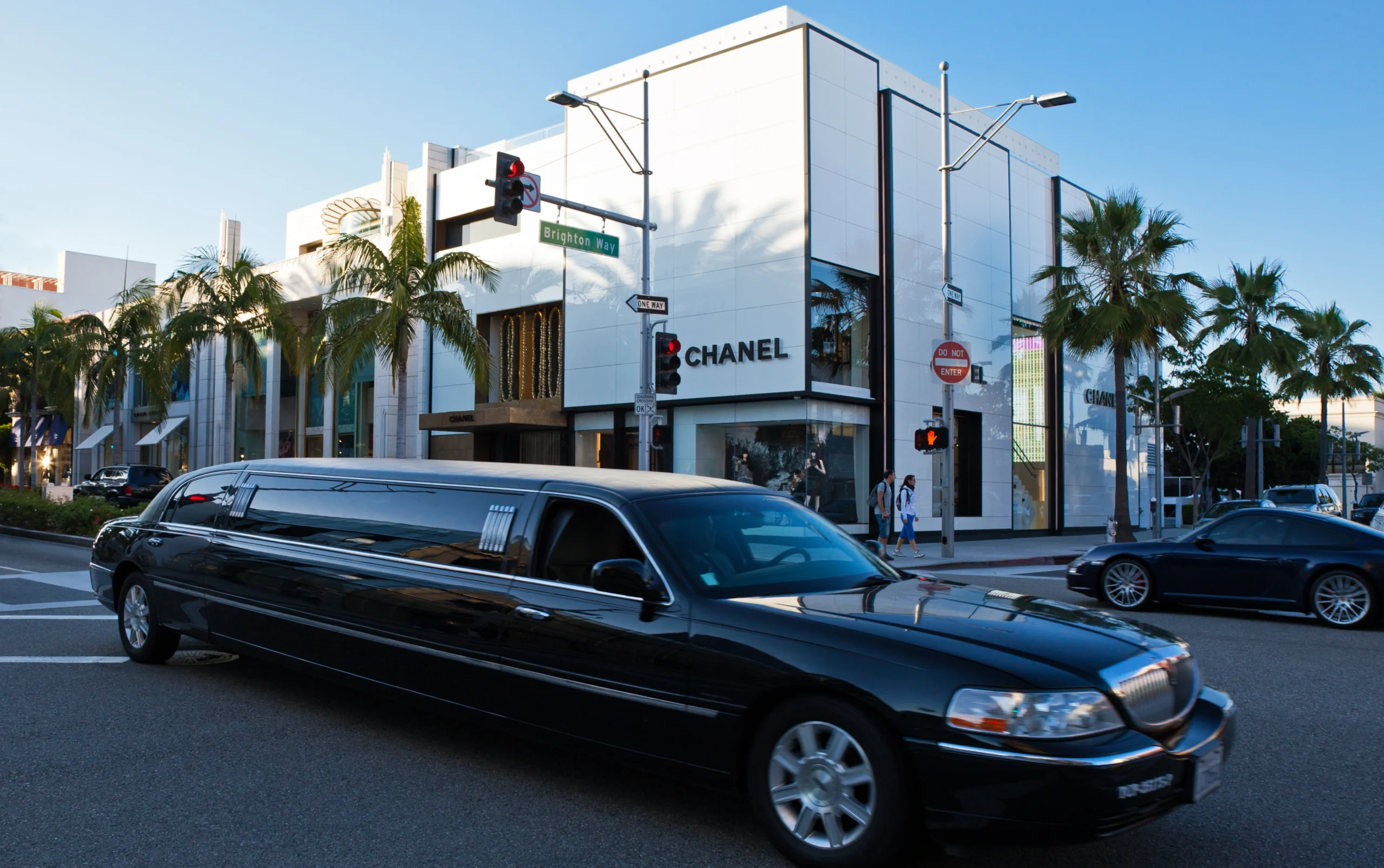
In this context, a commercial driver is a transportation provider that is separate from Uber but uses the Uber app to find passengers. Examples include limousine companies, black car and chauffeur services, and other commercially licensed for-hire operators. Instead of driving a personal car like a typical UberX driver, they operate a commercially licensed vehicle and carry commercial auto insurance.
Uber's own insurance information draws this line. It explains that commercially licensed drivers operating vehicles such as limousines, livery vehicles and other for-hire vehicles must maintain their own commercial insurance. Uber's terms also state that passengers may be matched with professionally or commercially licensed third-party providers whose insurance requirements differ from those of Uber's standard Transportation Network Company (TNC) drivers.
The practical takeaway: the Uber logo on your phone does not tell you which insurance company will ultimately be responsible for your injuries.
Doesn't Uber Carry $1 Million in Coverage?
For a standard rideshare trip, yes, in many situations. California has required TNCs like Uber and Lyft to maintain $1 million in liability coverage once a driver has accepted a ride. Coverage is lower when the driver's app is on but no ride has been accepted, and different again when the app is off.
But commercial drivers are a separate category. A driver using a limo or other for-hire vehicle must carry their own commercial auto policy, and Uber's standard rideshare coverage structure may not apply in the same way. You cannot assume every vehicle dispatched through the app comes with the same insurance.
How Can the Policy Be Only $50,000?
California sets minimum insurance requirements for drivers, and commercial transportation providers can be subject to their own regulatory and insurance rules depending on the type of service and vehicle. What matters for an injured passenger is not what the law requires in the abstract, but what insurance actually applies to this particular crash.
One policy might carry a $50,000 bodily injury limit per person. Another might carry more. Several policies may apply depending on who owns the vehicle, who employs or contracts with the driver, and what the driver was doing at the moment of the collision. It is also important not to confuse the lower TNC coverage that applies during certain stages of a rideshare driver's activity with the insurance requirements for a commercial third-party provider. They are different rules.
Bottom line: never assume the insurance limit simply because the ride was booked through Uber.
Why a Low Limit Can Be a Serious Problem
Imagine you are a passenger in an Uber-booked black car when another vehicle slams into it. You suffer a serious back injury, need surgery, and miss six months of work. Your medical bills pass $100,000. Then you learn the commercial policy covering the car has a $50,000 bodily injury limit.
Your losses do not stop at $50,000 just because the policy does. You still have medical bills, lost income, and pain and suffering. The limit is only the most that particular insurer may be obligated to pay under that particular policy. That is why finding every source of coverage early matters so much, especially in cases involving spine injuries or other serious harm.
There May Be More Than One Source of Coverage
Finding one policy does not mean you have found them all. Depending on the facts, an investigation may look at:
- The driver's commercial auto policy
- The transportation company's policy
- Any Uber coverage that may apply
- The vehicle owner's insurance, if different
- Another driver's insurance, if another vehicle caused or contributed to the crash
- Your own uninsured or underinsured motorist (UM/UIM) coverage
- Excess or umbrella policies
- Potential liability of an employer or other company
Your own UM/UIM coverage is often overlooked. If the at-fault party's insurance is not enough, your auto policy may help fill the gap. We explain how that works in our guide to uninsured driver collisions. As one example, our firm resolved a disputed freeway lane change case involving $250k policy limits plus $500k in UIM coverage.
What If Uber Says the Driver Was a Third Party?
Uber's terms state that third-party transportation providers are not automatically Uber's employees. That statement does not end the legal analysis. Insurance coverage, contracts, vehicle ownership, employment status and negligence are separate questions, each decided on the evidence and the law.
In plain terms, the app that connected you to the driver does not answer every question about who is responsible, and neither does the driver's business card. You need to know who was driving, who owned the vehicle, who employed or contracted with the driver, which company provided the service, what insurance was in place, and what the driver was doing when the crash happened. Sometimes one person is all of those things; often they are not. For a broader look at who can be held responsible, read who you can sue if you get hit by an Uber.
How to Find Out Which Insurance Applies
After a crash, you probably have the driver's name, a screenshot of your trip receipt, and maybe a license plate. That is a start, but it rarely tells the whole insurance story. An attorney investigating the crash will typically look into:
- The driver: Who was driving, and were they an employee or independent contractor?
- The vehicle: Was it privately owned, leased, or owned by a transportation company?
- The transportation company: Was the driver working for a limo, black car or livery business?
- The Uber product: Which Uber service did you book?
- Trip status: Was the driver waiting for a request, heading to pick you up, or carrying you?
- The insurance: Which policies were in force, and what are their limits?
- Other drivers: Was someone else partly or fully at fault?
This work matters most when injuries are serious and the first policy discovered does not come close to covering the damages. It is one of several reasons rideshare accident cases are so complex.
It Matters Whether You Were a Passenger, Another Driver, or a Pedestrian
The coverage questions shift depending on how you were involved:
- If you were the passenger and the commercial driver caused the crash, the driver's commercial policy and the transportation company are usually the starting point. If another vehicle caused the crash, that driver's insurance comes into play too, and a passenger can often make claims against more than one driver when fault is shared.
- If you were driving another car and the commercial vehicle hit you, you would generally pursue the commercial policy and any company that may be responsible for the driver, and your own UM/UIM coverage may help if limits are too low.
- If you were a pedestrian or cyclist, the same coverage investigation applies, and your own auto policy's UM/UIM coverage may still be available in some situations even though you were not in a car.
In each scenario, the answer turns on the specific policies in force and the facts of the crash, which is why early investigation matters.
How Low Limits Shape Settlement Strategy
When coverage is limited, the order of events matters. An insurer facing a claim that clearly exceeds its policy may offer the full limit relatively early. Before accepting, you want to know whether that insurer's release would also release other people or companies, whether your UM/UIM carrier must be notified or must consent before you settle, and whether medical liens need to be resolved from the proceeds. Handling these steps in the wrong order can jeopardize other sources of recovery. A lawyer can sequence the claims so that accepting one policy does not close the door on another.
The Insider View: Don't Let the First Insurer Define Your Claim
Insurers generally do not volunteer information that makes your claim more valuable. If an adjuster believes the company's exposure is a $50,000 policy, the conversation will center on that policy, not on whether other coverage or other responsible parties exist. From our founder's years working on the insurance side, we know a policy-limits offer can look like the end of the road when it is really just one piece of the picture.
Before you sign a release or accept a settlement, make sure you know:
- Which policies apply, and the limits of each
- Whether multiple parties may be responsible
- Whether Uber's coverage could apply
- Whether you have UM/UIM coverage available
- Whether excess or additional commercial policies exist
- The full value of your damages, including future losses
Once you sign a release, you may give up the right to pursue other claims. That is not a decision to make just because an adjuster says, "This is the best we can do."
What to Do After an Uber-Booked Commercial Ride Crash
- Get medical care, and tell your providers you were in a vehicle crash.
- Save your Uber receipt and screenshot the trip details, including the driver's name, vehicle and route.
- Photograph the vehicles, the roadway, the vehicle's commercial plates or permit numbers, and your injuries.
- Collect names and contact information for witnesses and the driver's company.
- Keep copies of all medical records and bills.
Our guide to gathering car accident evidence covers these steps in detail.
Get Help Finding Every Source of Coverage
The Uber app may have arranged the ride, but finding out who is responsible and how much insurance is available often takes a real investigation. Our rideshare accident lawyers can identify the responsible parties and every policy that may apply. Contact Oaks Law Firm for a free case review or call (818) 873-5918. You pay no attorney's fee unless we recover compensation for you.